

Mornings with a preschooler do not need to look like a colour-coded military operation. A few familiar steps can help your child know what comes next, while giving your family a steadier path from waking up to walking into the classroom.
The goal is not a silent, perfectly punctual morning. Preschoolers are learning to move from one activity to another, use new self-help skills, and say goodbye to the people they love. A routine gives those big jobs a dependable frame. It also gives adults fewer decisions to make when the clock is already moving.
Start with a sequence, not a packed schedule
A routine is simply a familiar order. For many families it might be wake up, bathroom, get dressed, breakfast, brush teeth, shoes, backpack, goodbye. Your order may be different, and that is fine. What helps is letting the essential steps happen in roughly the same way on most preschool days.
The CDC describes routines as a way to create consistency, predictability, and follow-through. Their sample family schedules include waking, dressing, brushing teeth, breakfast, and leaving for care. Use that as a starting point, not a rulebook. Some children eat first. Some need a few quiet minutes before getting dressed. Some families pack breakfast for the road. Build around what is truly workable in your home.
Try writing the sequence on one small note or using simple drawings your child recognizes. Keep it to five or six steps. A long list can turn into more instructions to negotiate. A short sequence helps you say, “First shoes, then backpack,” with a calm confidence.
Do the invisible work the night before
The most peaceful preschool mornings often begin before bedtime. Put clothes where your child can reach them, set shoes by the door, check the bag, and decide what needs to travel with you. If your centre needs a change of clothes, water bottle, signed note, or comfort item, make that part of the evening reset rather than a last-minute search. The American Academy of Pediatrics also recommends putting as much in order as possible the night before to make weekday mornings smoother.
Invite your child into one small piece of the preparation. They can choose between two weather-appropriate outfits, place their shoes beside the backpack, or help put a familiar item in the bag. The choice should be real but limited. “Blue shirt or green shirt?” is easier to manage than asking a tired preschooler to design the entire outfit.
This is not about making a young child responsible for the adult work. It is practice. Each small job says, “You have a part in getting ready, and I am here to help.” That sense of participation can make the next morning feel less like something being done to them. The Academy’s family-routine guidance also suggests offering a limited choice, such as which jacket to wear, to prevent last-minute conflict.
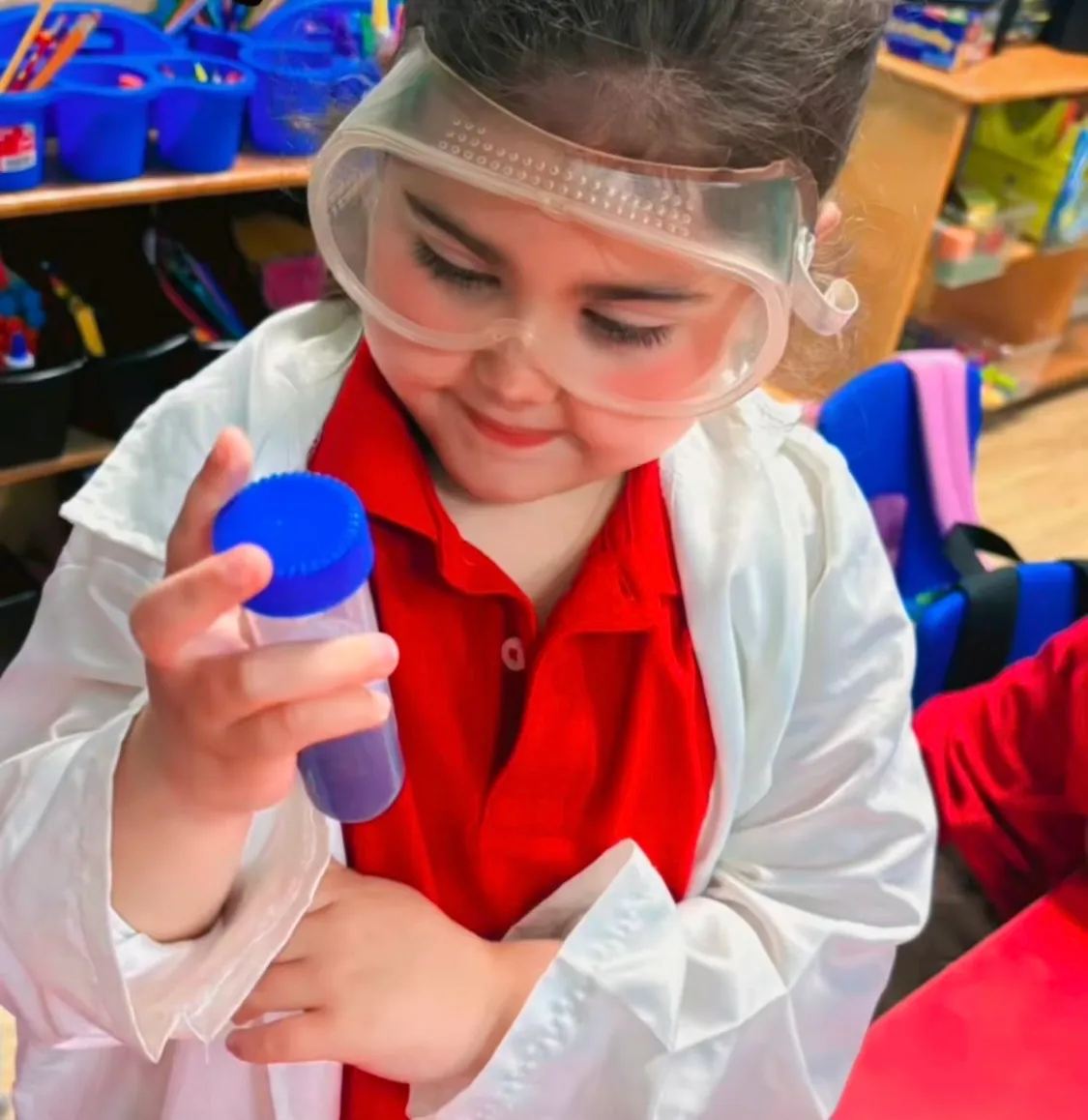
Leave room for your child to try
Preschoolers move more slowly than adults, especially when a skill is still new. Pulling on pants, finding a sleeve, zipping a coat, or fastening a shoe can take longer than you want on a busy morning. When possible, build in a few extra minutes for the attempts that matter.
The CDC’s positive parenting guidance for preschoolers encourages simple choices and notes that children at this stage can help dress and undress themselves. Independence does not mean stepping away while your child struggles. It means offering one cue, waiting a moment, and helping with the part that is beyond them today.
Use language that describes the next move: “Your sock is open. Can your toes find it?” “You pulled the zipper up to here. I will hold the bottom.” Specific help is usually easier to hear than “Hurry up.” If time runs short, help without turning the moment into a failure. You can try again tomorrow.
Keep breakfast and connection uncomplicated
A preschool morning does not need a picture-perfect breakfast table. It does help to have a dependable option your child accepts most days. Keep food choices simple, especially if mornings are already busy. The American Academy of Pediatrics notes that a morning meal can be part of a helpful family routine, even when a child is not especially hungry right after waking.
Use that time for a short connection rather than a full conversation about the day. “Today is a school day. After breakfast we will get shoes on and go see your teacher.” If your child wants to talk, listen. If they want quiet, a familiar song or book may be enough. The point is to help the day feel knowable before the transition begins.
Avoid adding new expectations on a difficult morning. You do not need to make breakfast a lesson, finish every bite, or solve every feeling before the car ride. A simple, steady start is more useful than a complicated plan that creates another struggle.
Make the next step easy to see
Time is an abstract idea for a preschooler. “We need to leave in ten minutes” may not give them much to hold on to. A short visual sequence, a familiar song, or a gentle reminder of what happens next can make transitions easier to understand. You do not need a fancy chart. A few hand-drawn pictures for breakfast, teeth, shoes, bag, and car can be enough.
Point to the next step rather than showing the whole list every time. “Look, shoes are next.” When that step is finished, notice it plainly: “Shoes are on. Now it is time for your bag.” This kind of language keeps the morning moving without turning it into a series of warnings.
Some children like to cross off a picture or move a magnet. Others find the chart distracting and do better with one spoken cue at a time. The CDC offers sample daily schedules and visual schedule resources for families who want a starting point. Let the tool serve your child. The routine is successful when it reduces uncertainty, not when every box is checked in exactly the same way.
Protect the last few minutes before leaving
Try not to fill the final minutes with tasks that can wait. This is the moment when a missing shoe, a sudden request for another toy, or a grown-up’s rushed tone can quickly change the feel of the morning. If you can, make the last part of the routine intentionally simple: shoes, coat, bag, one goodbye ritual, out the door.
Give your child a clear role in that final stretch. They might carry the backpack, turn off a light, put a hand on the door, or choose the goodbye song for the car. A small repeated job can be more grounding than another reminder to hurry. It also creates a bridge between home and school that belongs to them.
If you are running late, take one breath before speaking. Children notice adult urgency, but they do not need to carry it. A brief, direct statement such as “We are leaving now. I will help with your coat,” protects the relationship better than a long explanation or a raised voice.

Use a calm handoff at the door
Leaving home is only one transition. Arriving at school is another. Give yourself enough time to walk in, help your child find the first step, and say goodbye without a surprise rush. Ask the teaching team what arrival normally looks like so you can describe it simply at home: “We will hang up your bag, then your teacher will help you choose where to start.”
Keep the goodbye short and predictable. A hug, a phrase, a high-five, or one wave through the door can become a reassuring ritual. Stretching it out may feel loving in the moment, but a clear ending helps a child learn that you mean what you say and that you will return. If your child is upset, acknowledge it: “You wish I could stay. Your teacher is with you. I will see you after school.”
Every child settles in differently. A quiet child, a tearful child, or a child who runs straight to blocks can all be having a normal transition. Share what works at home, and ask teachers what they notice after you leave. That partnership gives you a fuller picture than the doorway moment alone.
Let the routine change as your child grows
A preschool morning routine is not a contract you sign for the whole year. A child who needs help with every step in September may be able to pack a bag or zip a coat a few months later. A new classroom, a shift in wake time, or a family schedule change can also make an old sequence feel less useful. Check in from time to time and keep what is helping.
Ask your child one simple question after school: “What helps you get ready in the morning?” Their answer may be surprising. They may want the same breakfast cup, one more minute to wake up, or a preview of who will greet them. Those small preferences can help you make adjustments that feel respectful without handing over the whole schedule.
Notice progress as it appears. Maybe your child carries the bag independently, remembers the goodbye ritual, or walks through the classroom door with a little more ease. Those are meaningful gains. They show that the routine is giving your child a predictable place to practise growing skills. This flexible, strengths-based approach fits the developmentally appropriate practice principles from the National Association for the Education of Young Children.
Have a smaller version for hard mornings
Some mornings will be off. A child may wake early, sleep poorly, feel under the weather, or become upset by a change in the plan. The answer is not to abandon the routine. It is to shrink it to the essentials: get dressed, eat something manageable, brush teeth, gather what is needed, and go.
Use fewer words and fewer choices when your child is overwhelmed. Offer comfort without promising a different outcome you cannot keep. If the same hard morning repeats, look for a pattern. Is the morning too rushed? Is a bedtime adjustment worth trying? Is there a worry about drop-off? A short note about what you see can make a teacher or pediatrician conversation more useful.
Routines should support family life, not make anyone feel judged. Adjust the order, add a cushion, or remove a step that is creating more conflict than help. A routine that bends a little is far more likely to last.

A preschool morning routine to try this week
Choose one small improvement rather than changing everything at once.
- Pick a realistic leave time and work backward from it.
- Set out clothes, shoes, and the bag the night before.
- Use the same five or six steps in the same order for several days.
- Give one limited choice your child can manage.
- Leave time for one independence attempt, then help when needed.
- Use the same brief goodbye at school and ask the teacher what helps after arrival.
How Kids Now Academy can help
At Kids Now Academy, familiar routines help children settle into an age-appropriate day of learning, play, and connection. Families can share what makes a morning easier for their child, from a favourite greeting to a helpful first activity. Teachers can then help each child take the next small step into the classroom.
Our programs for growing learners are built around warm routines and hands-on learning. If you are considering a new preschool or VPK setting, our Preschool in Orlando guide explains more about the options available, and you can schedule a tour to talk through your child’s transition. Kids Now Academy is licensed as Florida Child Care License #C09OR0565.
Common family questions
Preschool morning routine FAQ
What should a preschool morning routine include?
A useful routine usually includes waking, getting dressed, using the bathroom, eating or packing breakfast as your family prefers, brushing teeth, gathering the needed items, and a short goodbye at school. The exact order matters less than keeping the sequence familiar and leaving enough room for your child to participate.
How long should a preschool morning routine take?
There is no universal number. Work backward from your leave time, then add a small cushion for the steps that routinely take longer. Start with a routine you can repeat on an ordinary weekday, rather than a tightly timed plan that only works on a perfect morning.
What if my child refuses to get ready for preschool?
Stay close, use a short and steady script, and focus on the next small step instead of the whole morning. A choice between two acceptable options, a picture cue, or a playful transition can help. If refusal is frequent or your child seems deeply distressed, share what you notice with their teacher and pediatrician.
Should I use a morning routine chart for preschool?
A simple visual sequence can be helpful, especially for children who like to see what comes next. Keep it short, use familiar pictures, and treat it as a support rather than a test. You can change it when your family’s needs change.
